The moment every operator recognizes
In most mobility retail environments, complexity does not appear all at once. It builds gradually, often through small, logical decisions made over time.
A price is updated at the pump, a product sells out in the convenience store, or a promotion is scheduled to go live across multiple locations. Each of these actions is straightforward on its own, yet together they raise a fundamental operational question: how long does it take before that update is reflected consistently across every screen a customer interacts with?
The challenge is not the technology. It is the gap
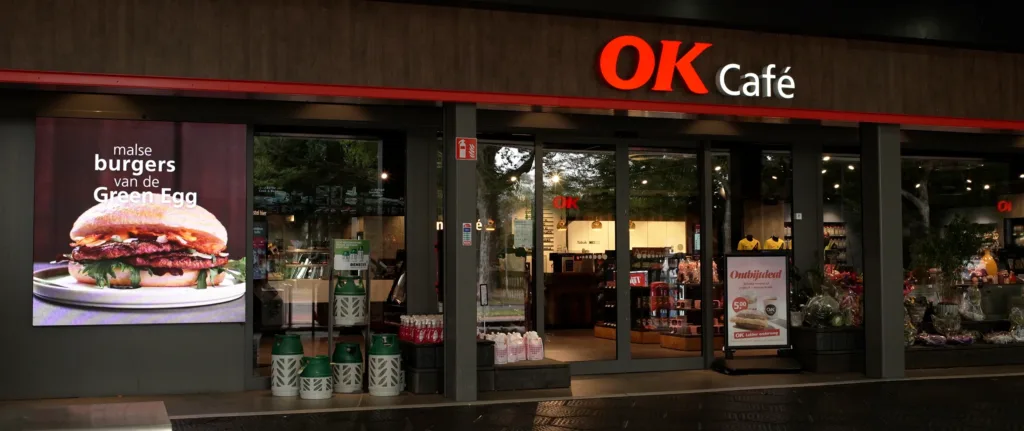
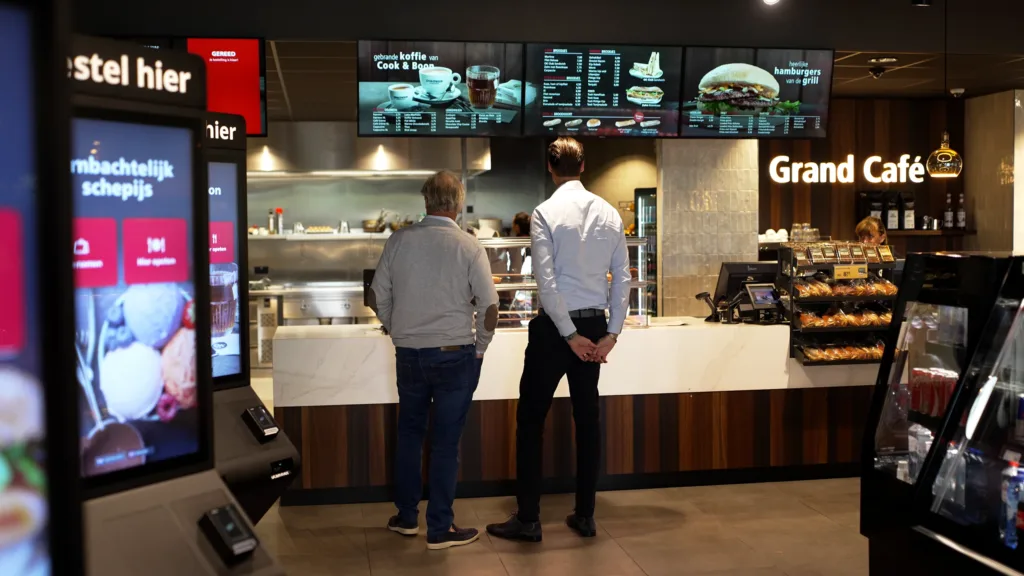
Digital screens are now a standard component of modern forecourts and convenience environments. From menuboards inside the shop to pricing displays at the pump, and from wayfinding signage to self ordering interfaces, the digital layer is fully embedded in the customer journey.
Individually, these systems perform as expected. They are often reliable, well-designed, and tailored to specific use cases. The challenge does not lie in their performance, but in the lack of cohesion between them.
Over time, different vendors, platforms, and data structures are introduced, each solving a specific problem at a specific moment. Only when operators attempt to manage these elements as a single environment does the disconnect become visible. At that point, what once felt like a logical set of decisions reveals itself as a fragmented landscape, where each system operates independently rather than as part of a coordinated whole.
Where complexity turns into operational cost
This fragmentation quickly moves from theory into daily operations.
Promotions remain visible after they have ended. Products continue to appear on screens even when they are no longer available. Campaigns go live inconsistently across locations because updates rely on manual execution across multiple systems.
Individually, these issues may seem manageable. In practice, they repeat constantly, across locations, teams, and systems.
For organizations operating at scale, this leads to a continuous cycle of checking, updating, and correcting. Time is spent maintaining consistency rather than improving performance. Not because teams are inefficient, but because the underlying infrastructure was never designed to support a unified workflow.
Adding more screens does not solve this problem. It increases the complexity of managing it.
It always starts with one question
Operators rarely begin with the intention of building a connected ecosystem. More often, the process starts with a focused and practical need.
How can static menuboards be replaced with dynamic displays linked to real-time pricing? How can content be managed across multiple locations without relying on manual updates? How can operators ensure that what customers see reflects what is actually available?
When that first step is implemented on a connected foundation, its impact extends beyond the original scope.
A menuboard connected to pricing data becomes part of a broader system. The same data can support ordering interfaces, synchronize signage across locations, and integrate additional layers such as electronic shelf labels. Instead of introducing new standalone tools, operators begin to build on an existing structure, where each new component strengthens the next.
Over time, what started as a single solution evolves into a connected ecosystem that supports consistency, scalability, and control.
What control actually looks like in practice
In a connected environment, control is defined by consistency and speed.
A change made in one place is reflected across all relevant screens within seconds. Pricing updates, promotions, and product availability are automatically synchronized across locations, eliminating the need for manual intervention.
This fundamentally changes how operators manage their environment. Instead of working across multiple disconnected systems, they operate within a single platform where decisions can be implemented efficiently and reliably.
The result is not only greater control, but also greater confidence in execution.
The impact is immediate and measurable
The benefits of this shift are tangible.
Time spent on manual updates decreases significantly. Pricing inconsistencies become rare. Campaigns can be executed faster and with greater accuracy.
At the same time, the customer experience becomes more reliable across every touchpoint. Information is consistent, up-to-date, and aligned with actual availability.
Most importantly, teams regain time and focus. Instead of managing systems, they can focus on improving performance, optimizing operations, and enhancing the customer journey.
What we are bringing to UNITI Expo 2026
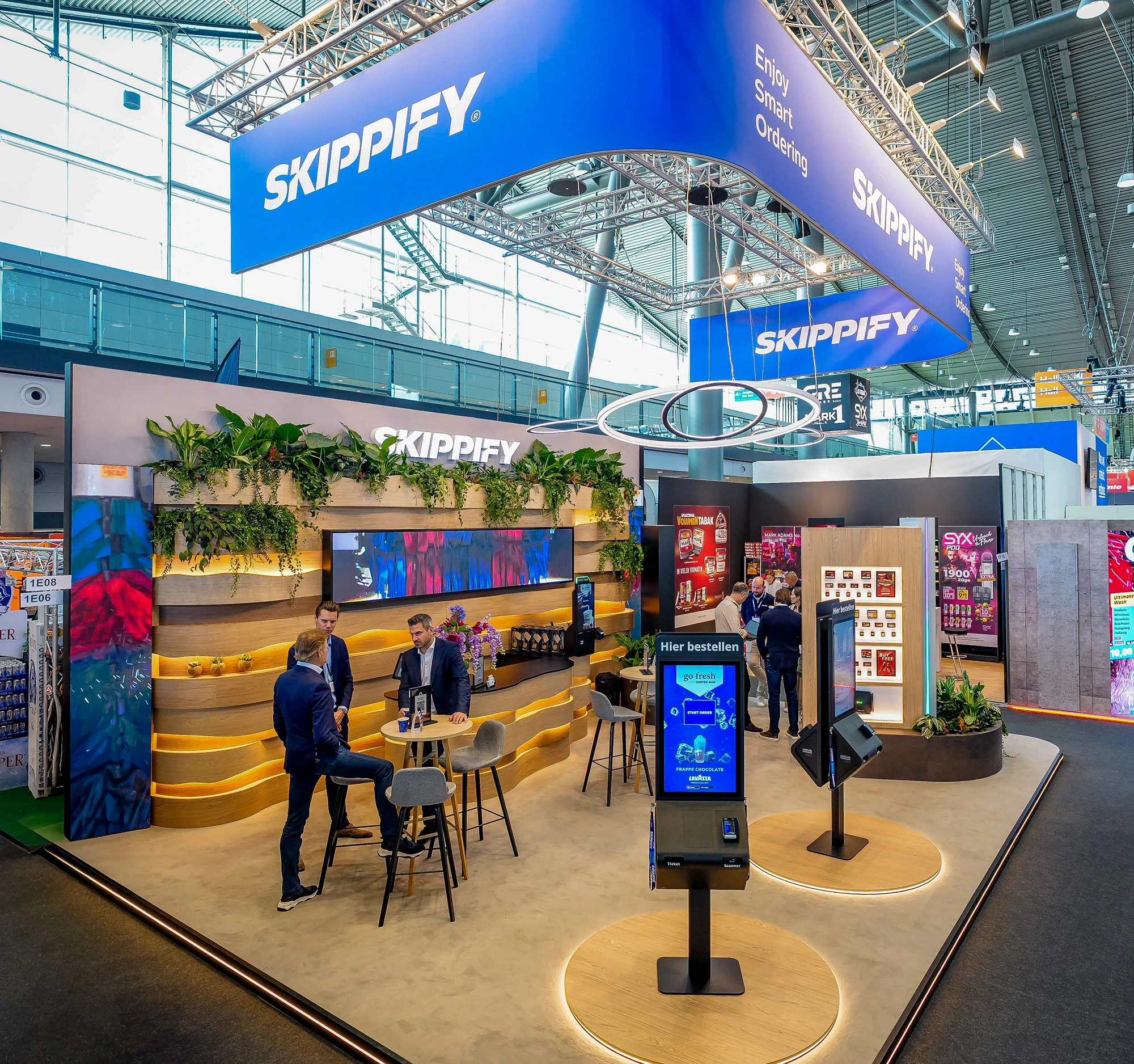
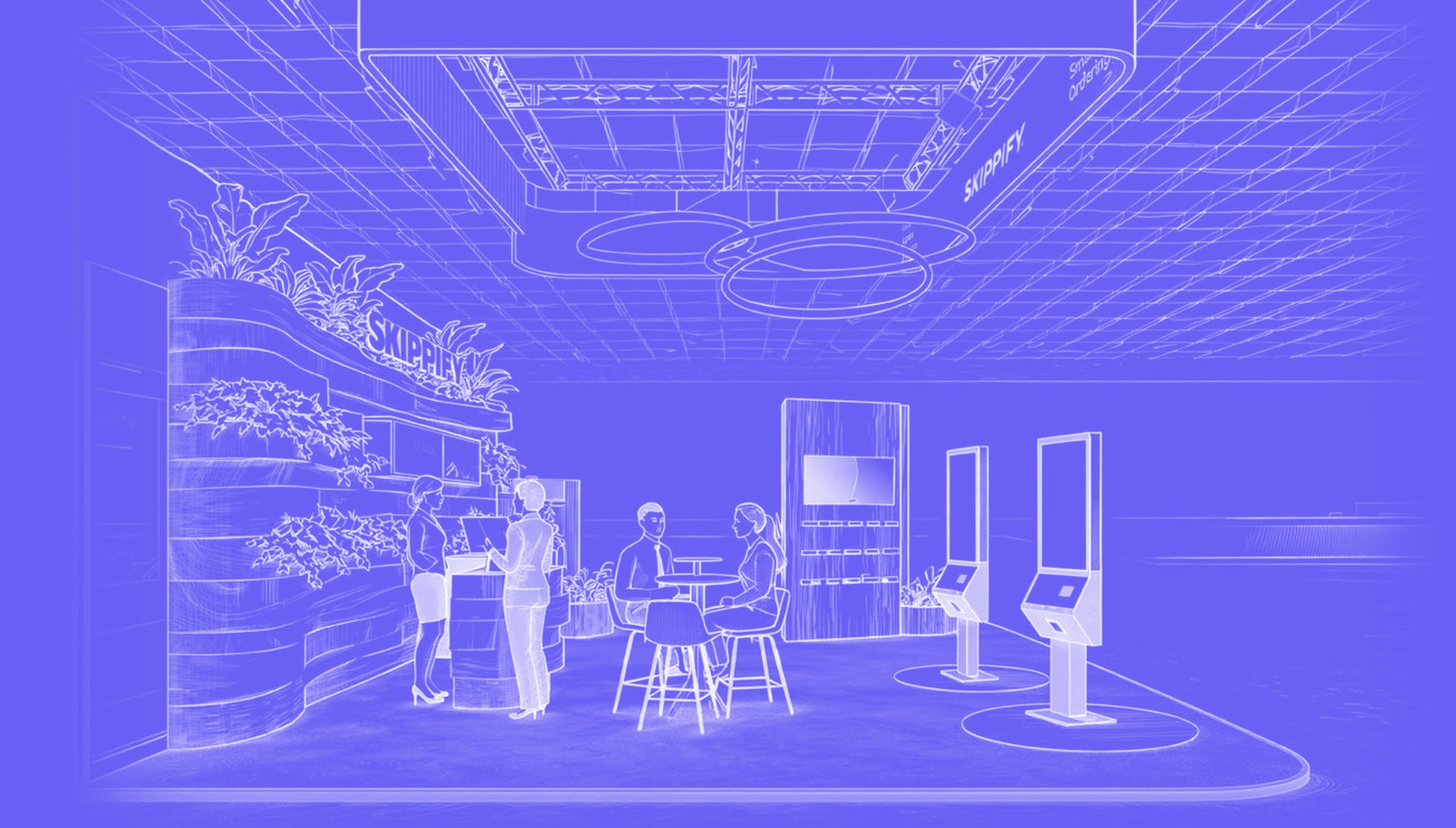
At UNITI Expo in Stuttgart, from 19 to 21 May, Skippify will not present a theoretical concept. Instead, we will demonstrate how a connected mobility retail environment operates in practice.
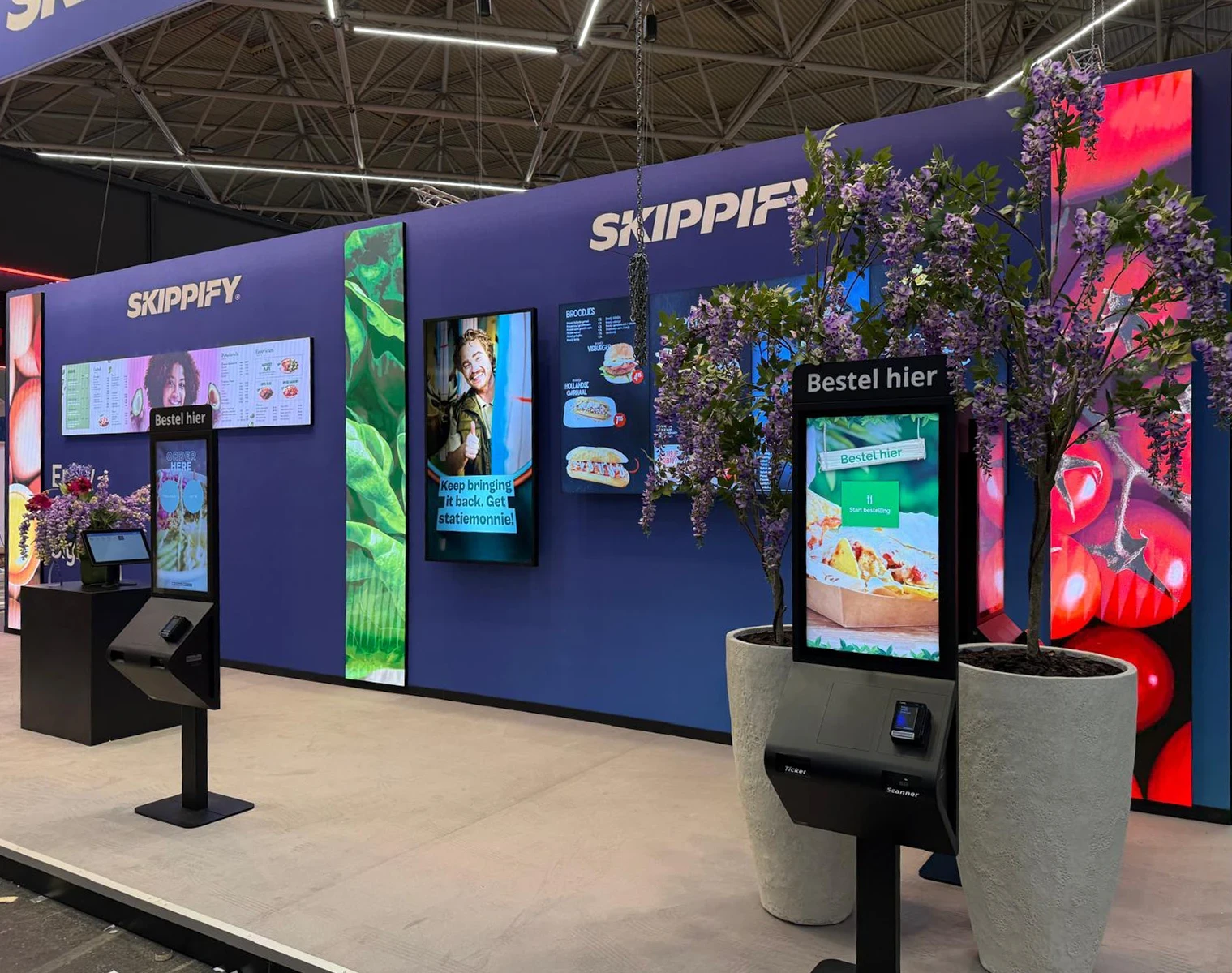
Visitors will experience a complete journey, from the forecourt through to the convenience store, where menuboards, digital signage, ordering interfaces, and electronic shelf labels function as part of a single, integrated system.
Each element is presented in context, illustrating not only its individual role, but also how it contributes to a unified environment that responds in real time to data and operational changes.
The goal is simple: to move beyond explanation and allow operators to experience how a connected approach reduces complexity and improves control.
Where the real conversation happens
For operators looking to explore this approach in more depth, the next step extends beyond the exhibition floor.
At our experience center in Zaltbommel, the platform can be explored in detail, offering insight into how it performs in a controlled environment. Alternatively, we can connect you with existing clients, providing a real-world perspective on how the system operates in high-traffic locations.
Because ultimately, decisions of this kind are not made in theory, but in practice.
Complexity is a choice. So is control.
UNITI Expo 2026 Hall 1 | Stand 1E08
Want to plan a meeting before the fair?
What is connected digital signage in mobility retail?
A connected environment where all screens operate through one centralized platform, enabling real-time updates and consistent communication across every touchpoint.
How do operators manage digital signage across multiple locations?
By using a centralized system where updates are made once and automatically distributed across all locations, eliminating manual work per site.
What is the difference between standalone systems and an integrated platform?
Standalone systems operate independently. An integrated platform connects all touchpoints, ensuring that data and content remain synchronized across the entire environment.
Can electronic shelf labels be integrated into this system?
Yes. In a connected environment, electronic shelf labels are linked to the same platform as other digital screens, allowing pricing and product information to update automatically everywhere.
How fast are updates in a connected signage environment?
In most cases, updates are reflected across all relevant screens within seconds, without requiring manual intervention.
 Skippify