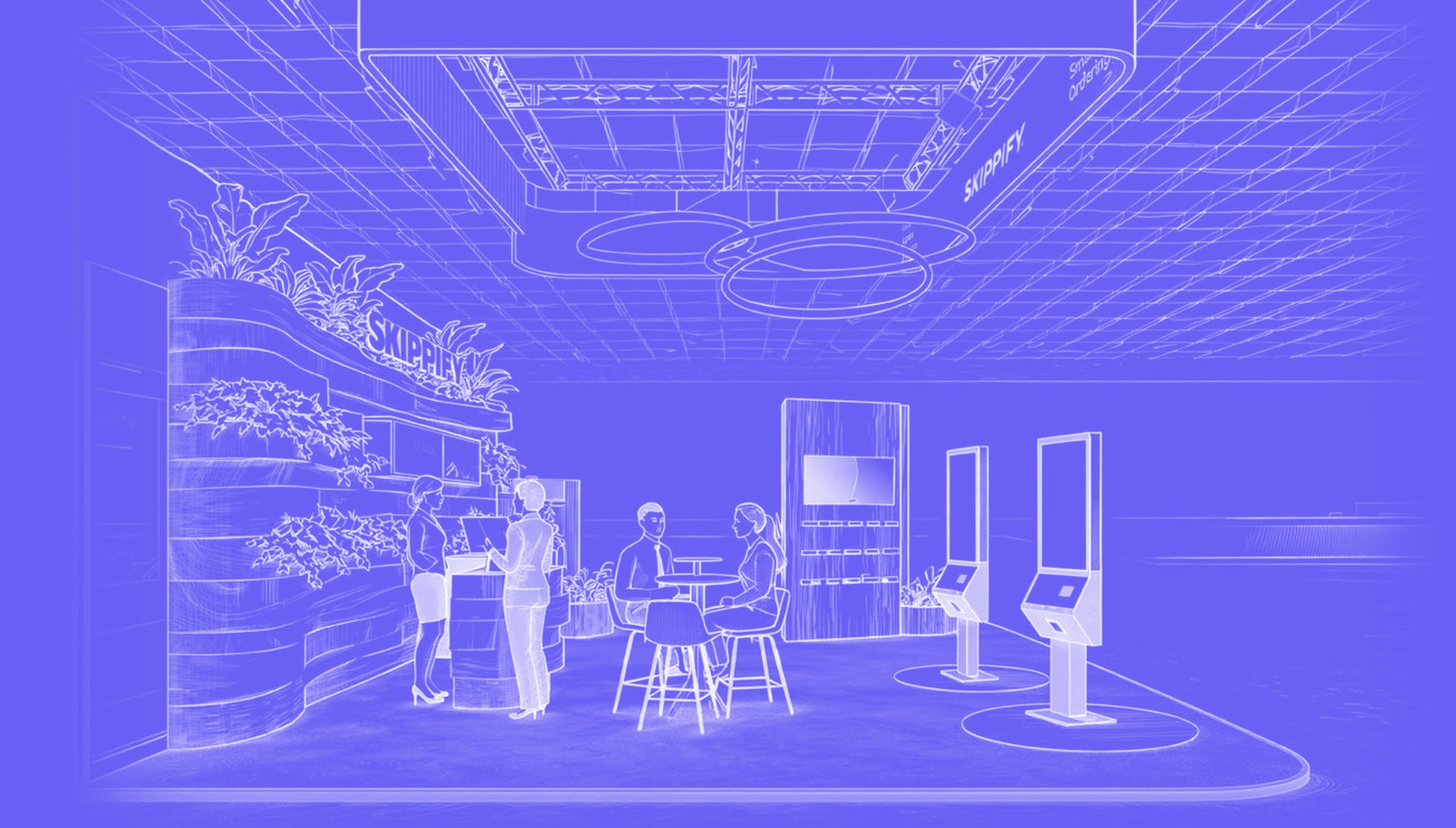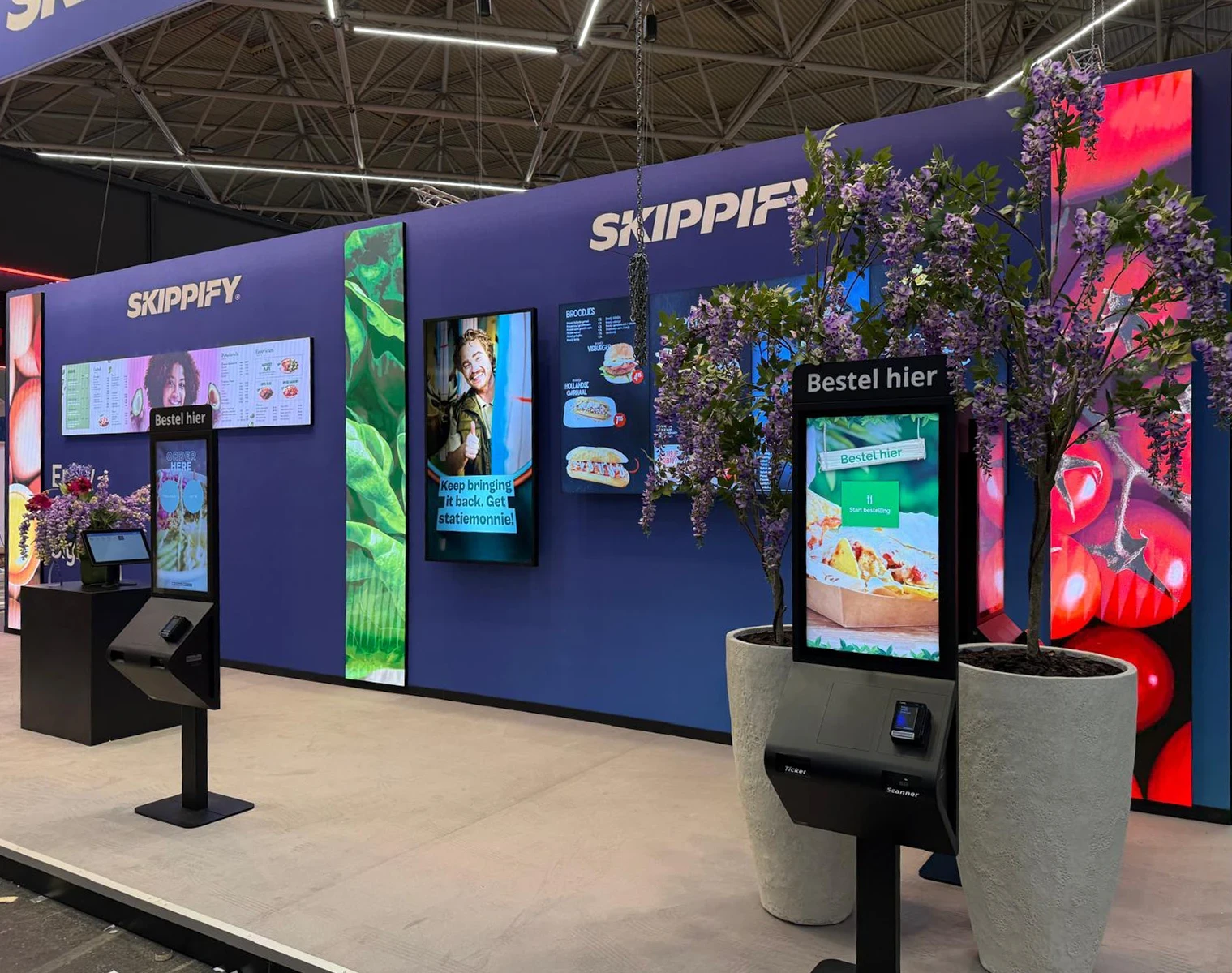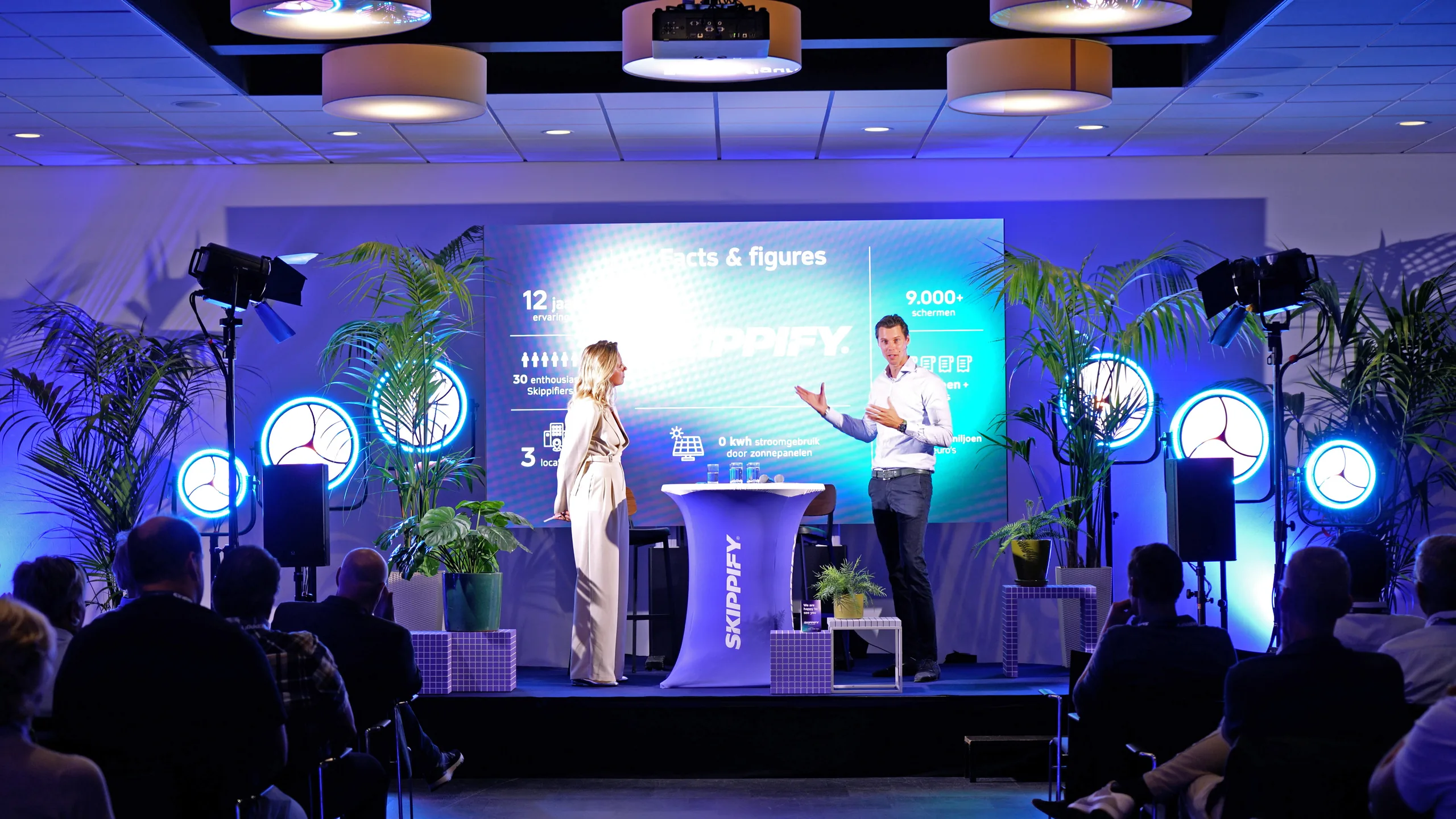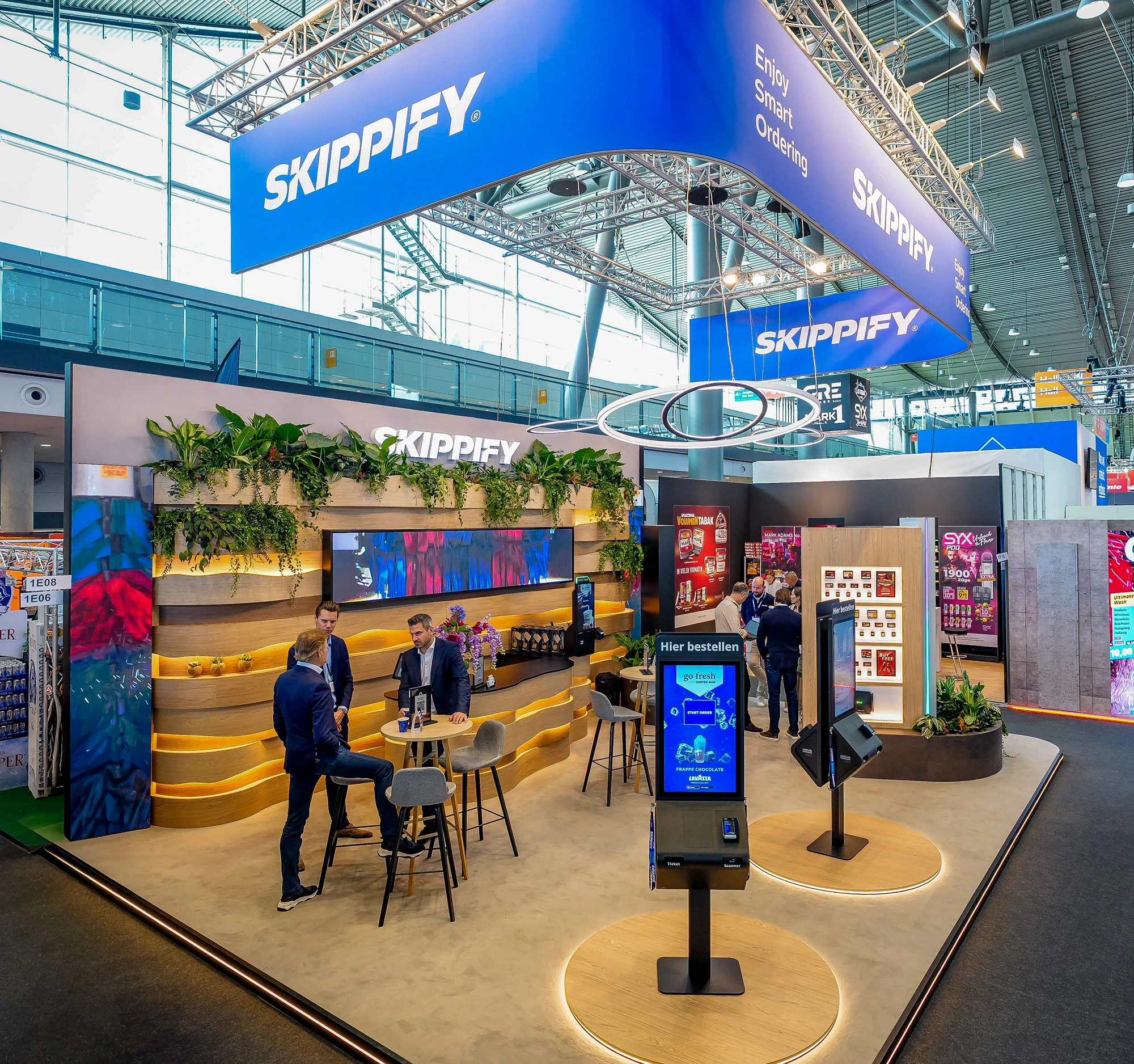
The UNITI Expo 2026 edition has come and gone, and conversations on the trade show floor confirm a clear shift in the market. Where the focus used to be on the specs of individual screens, price displays, or labels, attention has now shifted to the bigger picture. The key trend is the move from standalone technology to fully integrated ecosystems for customer communication.
This development aligns seamlessly with Skippify’s core belief. Effective Digital Signage isn’t about adding more screens,it’s about creating one cohesive system that delivers control, efficiency, and a consistent brand experience at every location. In this article, we share our observations from the show and what they mean for the future of retail, mobility, and hospitality.
From standalone screens to an integrated ecosystem
A recurring theme in conversations on the show floor was the growing complexity many organizations are struggling with. The number of systems, screens, and data sources keeps expanding, leading to fragmentation and a lack of overview. The core challenge isn’t finding new, standalone technology,it’s getting all components to work together intelligently.
The market is therefore shifting from purchasing individual solutions to investing in integrated ecosystems. Retailers and other multi-location organizations aren’t looking for another screen,they want a complete solution that connects all communication touchpoints within one customer journey. The need for centralized management and oversight is greater than ever.
This shift confirms the message Skippify has been advocating: from complexity to control. An integrated platform ensures that all content,from pricing information to nationwide campaigns,is managed from a single point. This reduces the risk of errors, lowers operational burden, and guarantees a consistent look and feel at every location.
The rise of Smart ESL in practice
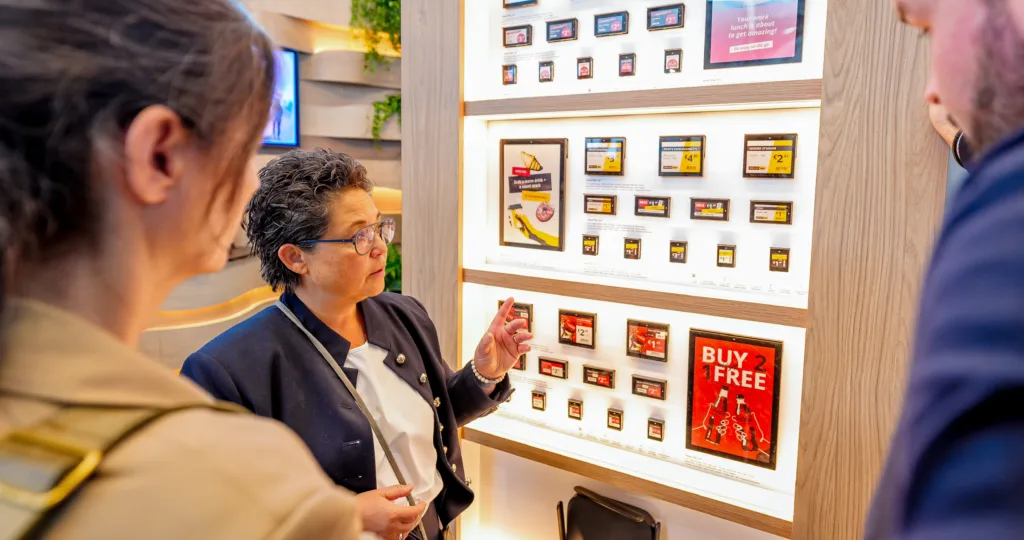
A concrete application of this integrated approach was visible in the interest shown in electronic shelf labels (ESL). At UNITI Expo, we introduced our Smart ESL solution within the Skippify ecosystem. These labels are more than just digital price tags; they form a direct connection between the online pricing database and the physical moment of purchase on the store floor.
The interest from retailers was significant, particularly driven by the need to automate price management and simplify internal processes. Manual price changes are time-consuming and error-prone. With Smart ESL, this process is fully automated, directly contributing to operational efficiency. It ensures that promotions and price updates appear on the shelf instantly and without errors.
Conversations at the show were very concrete. The first implementations resulting from them are already starting this month. This demonstrates that the market is ready for technology that not only solves a problem, but also enhances the broader retail customer experience by ensuring up-to-date and reliable information.
International growth demands scalable partners
UNITI Expo is an international trade show, and conversations confirmed the growing demand for digital solutions that can be rolled out across borders. Organizations expanding internationally are looking for a partner that can scale with them and guarantee a consistent experience across all locations, regardless of country. Skippify is currently already active with rollout projects in Germany and Spain.
Companies are increasingly seeking a single strategic partner that can support multiple parts of the customer journey. Managing different vendors for hardware, software, content, and service is complex and inefficient. An integrated approach,where one party takes responsibility for the entire ecosystem,aligns with the vision of Skippify. We believe in building systems that not only work today, but are also ready for tomorrow’s growth.
What UNITI Expo 2026 means for the future
For us, the show was a clear confirmation that the market is moving in the direction we had already taken: toward connected ecosystems and centralized management. The positive and substantive conversations with industry peers give us great confidence going into the coming period. The future of in-store communication is smart, data-driven, and fully integrated.
This calls for a strong digital signage strategy that looks beyond the technology of a single screen. The focus is on building smart, scalable solutions that help organizations achieve their goals. Ultimately, that is our mission: giving our customers more control over their communication, their processes, and the experience they deliver to their own customers.
Take the first step toward an integrated ecosystem and explore the possibilities of centralized management.
Throwback at UNITI Expo 2026
From packed show aisles to our own booth, relive the atmosphere of UNITI Expo 2026:
From complex systems to complete control
Connect screens, price labels, kiosks, and content management in one central ecosystem. Discover how to gain more control, simplify processes, and strengthen the customer experience.
Frequently asked questions
What is an integrated Digital Signage ecosystem?
An integrated ecosystem is a system in which hardware, software, and content are centrally managed. The goal is to guarantee seamless and consistent customer communication across all screens, kiosks, and labels, controlled from a single platform.
What is the difference between traditional and electronic shelf labels (ESL)?
Traditional labels are static and must be manually replaced with every price change. Electronic shelf labels are dynamic and can update prices, inventory, and promotions instantly and centrally, saving time and preventing errors.
Why is scalability important for Digital Signage?
Scalability ensures that a Digital Signage system can grow alongside the organization. When new locations are opened, they can easily be connected to the existing management platform without increasing complexity.
How does centralized management contribute to brand consistency?
By managing and distributing all content from a single central point, it is ensured that all expressions at all locations comply with the same brand guidelines. This creates a recognizable and professional appearance.
What role does data play in modern in-store communication?
Data from source systems,such as an ERP or POS system,is used to drive communication automatically and without errors. Prices, product information, or inventory statuses can thereby be displayed directly on screens and labels without manual input.
 Skippify